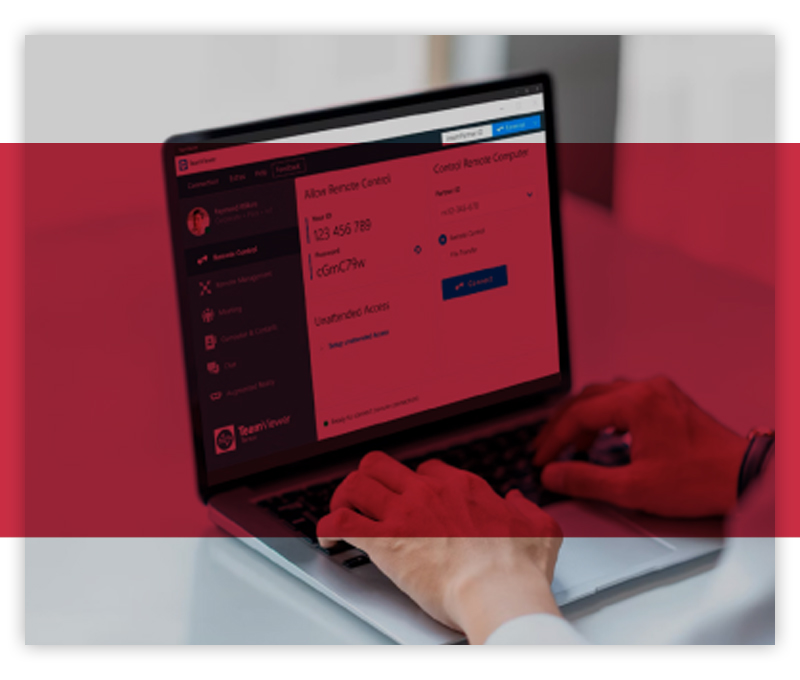
Competence in medical gas and nurse call systems grows through clear, structured training. Pneumotronics E Learning provides on demand digital courses that build practical knowledge, from the basics of gas compression and adsorption to the setup of multi zone alarm networks. Interactive modules cover the full portfolio: Medical Gas Production, Copper Distribution and Manifold Management, Central Monitoring and Alarm Systems, Point of Use Equipment, and Nurse Call Communication Platforms. With animated process diagrams, simulated alarm events, and real case studies, learners develop deep understanding at their own pace. Continuous 24/7 access ensures facility engineers, biomedical teams, and clinical staff stay prepared and maintain high standards of safety and operational readiness.
A strong understanding of gas generation supports confident system management. These E Learning modules introduce pressure swing adsorption for oxygen production, oil free compression and refrigerated drying for medical air, and oil less rotary vane vacuum systems. Learners review purity requirements for each gas, the logic behind duplex and triplex redundancy, and the operation of cylinder filling stations. Animated diagrams and process flows help engineers operate source equipment safely and interpret performance trends accurately.
System integrity depends on proper materials and workmanship. This module covers the properties of medical copper tubing, specifications for ASTM B819 Type K and Type L pipes, and the behavior of silver phosphorus brazing alloys. Learners study joint preparation, nitrogen purging during brazing, and pressure hold testing. Case studies highlight common installation defects such as oxide buildup, poor filler penetration, and stress cracking, along with their long term impact on system reliability.
Effective alarm management requires both technical skill and clinical awareness. These courses explain how to configure Medical Gas Alarm Units, set pressure thresholds, apply alarm priority rules, and use silence and acknowledge functions correctly. The Central Gas Monitoring module teaches schematic interpretation, trend analysis for predictive maintenance, and historian database queries. Simulated alarm cascades train learners to identify root causes rather than react to symptoms.
Point of use devices directly shape clinical workflow. Modules cover Bed Head Units, Ceiling Pendants, Gas Outlets, Flowmeters, and Blenders. Learners practice setting oxygen concentrations, verifying outlet flow, and selecting humidifier settings for different patient groups. Application modules include high flow nasal cannula setup, anesthesia gas scavenging interface configuration, and emergency inlet station operation.
Reliable communication depends on well designed call infrastructure. This module series explains centralized communication platform architecture, including bus, star, and hybrid wiring layouts. Learners explore call priority logic, escalation rules, and integration of corridor displays, door lamps, duty stations, and mobile handsets. Real world examples show how proper configuration improves response times and staff workflow.
Subscribe to precision-fueled care and holistic safety intelligence from our Medical Gas Ecosystem. Elevate patient outcomes across every clinical zone with integrated, life-support clarity.
© Nortek HealthCare Group Ltd., 2009-2026. All rights reserved.
This site operates under the laws of the People's Republic of China. Your access and use constitute acceptance of these Terms of Use and our Privacy Policy. All content is governed by our Privacy Notice. For details or inquiries, please Contact Us or use the site's search function.