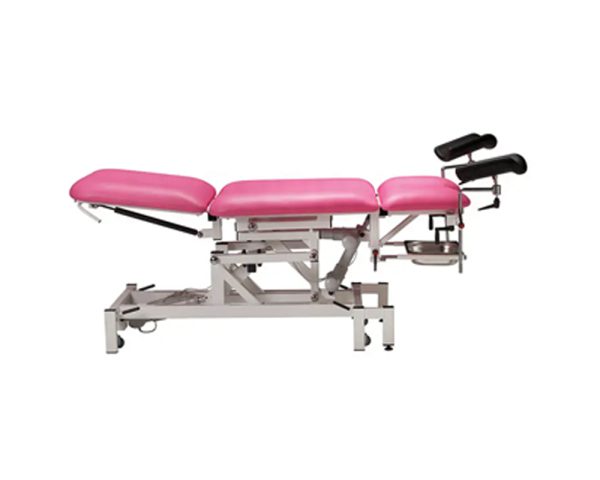
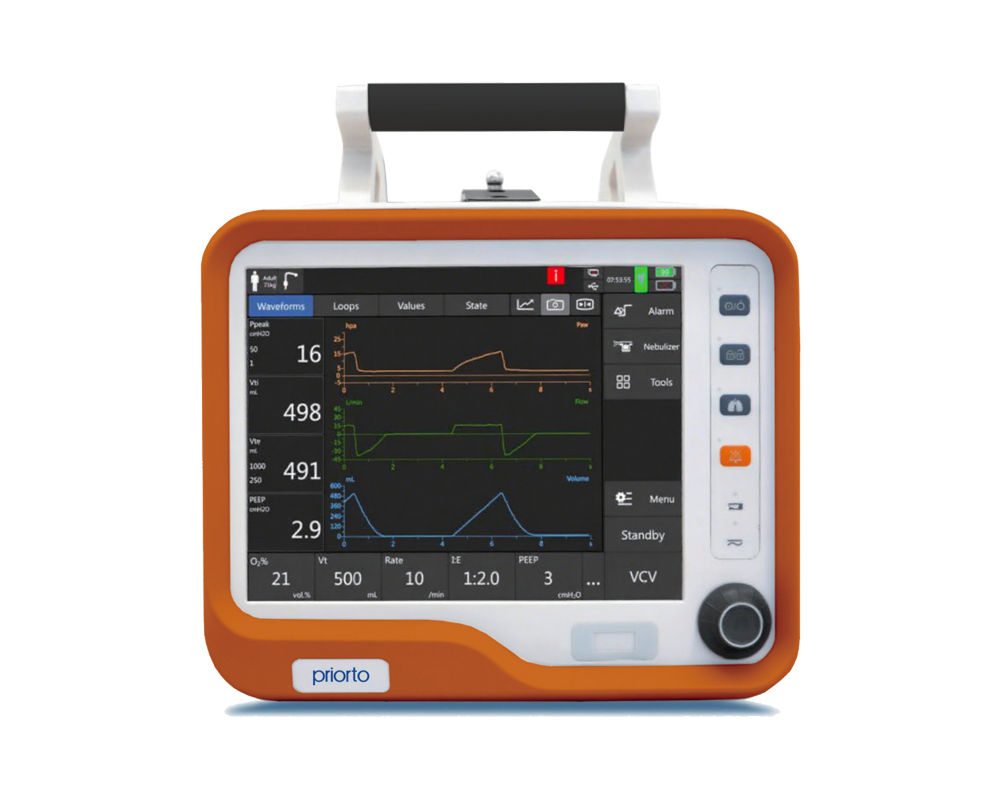
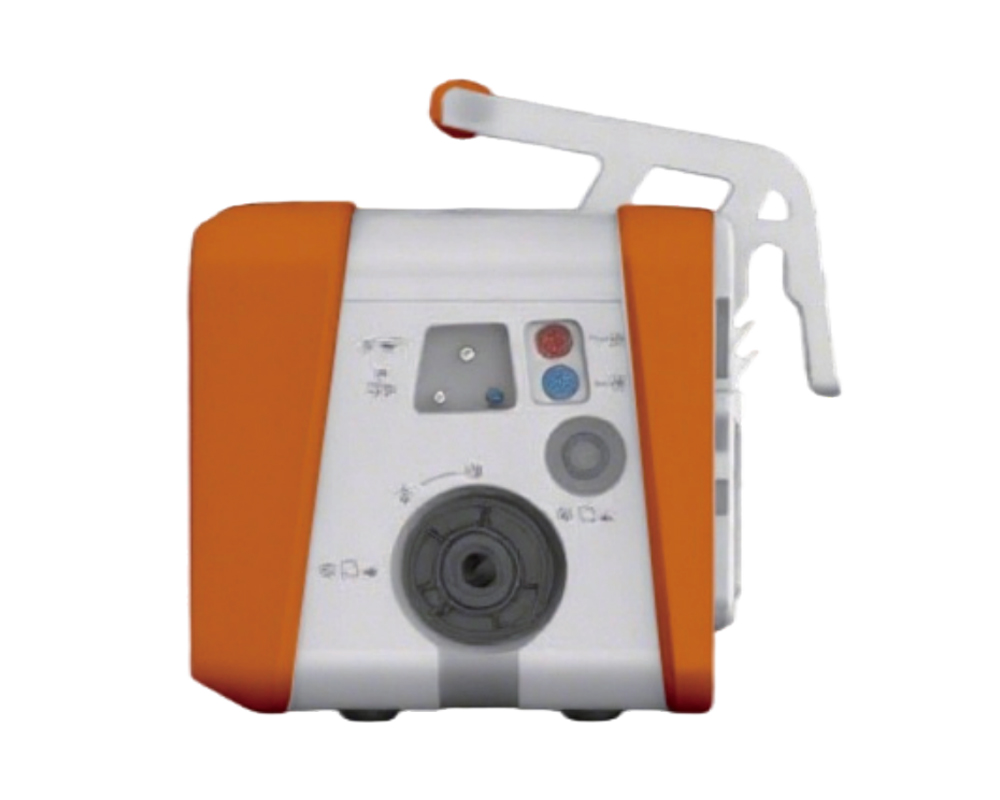
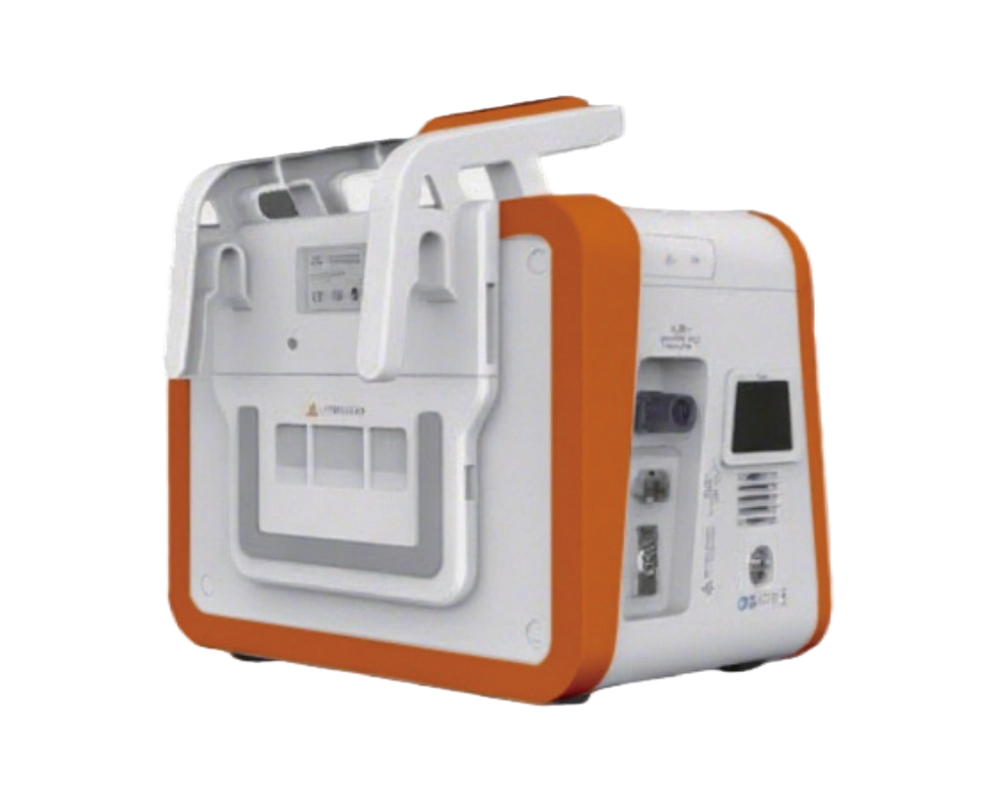
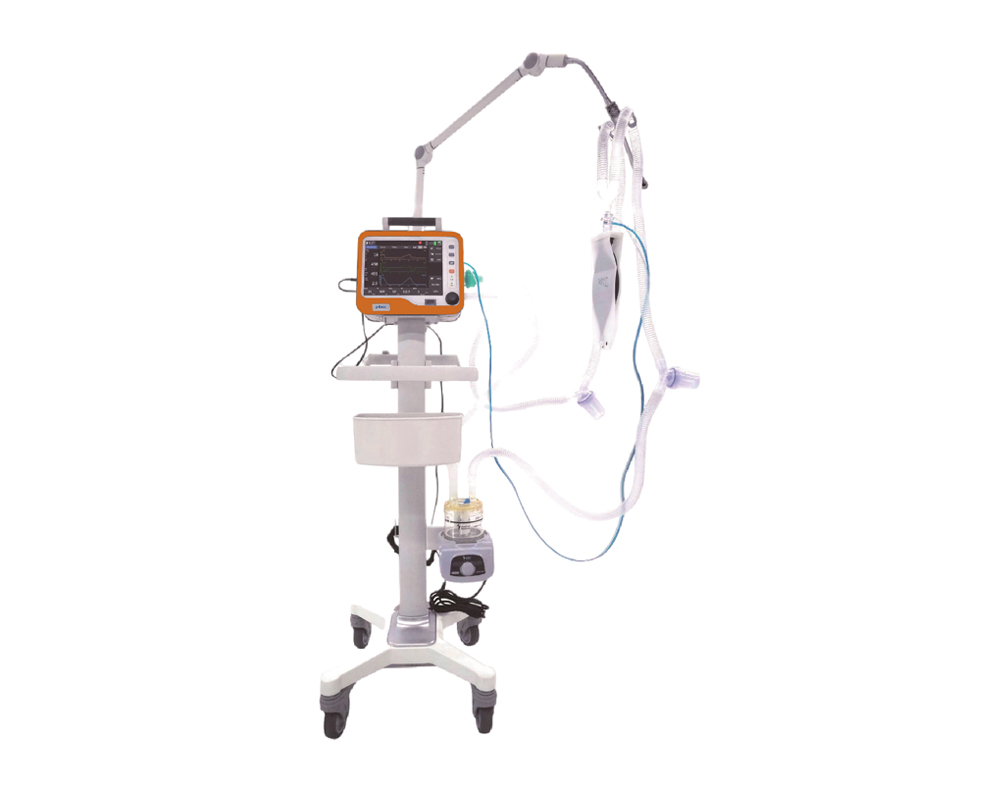
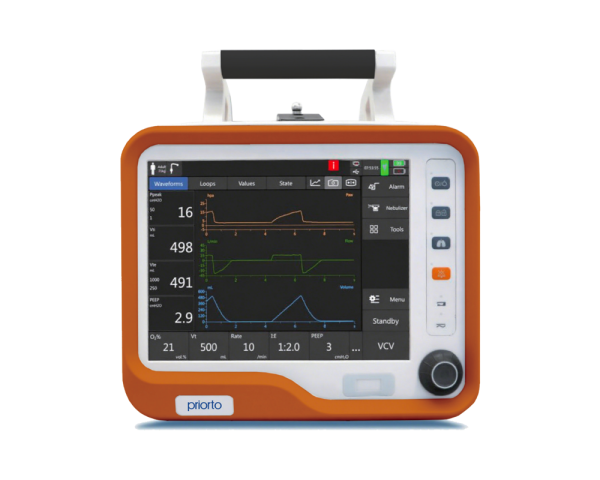
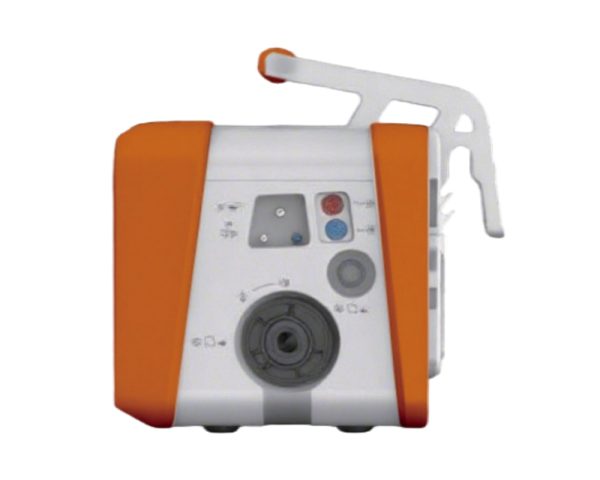
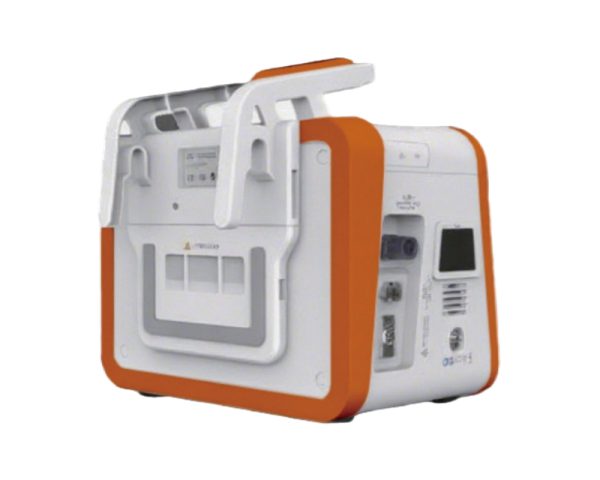
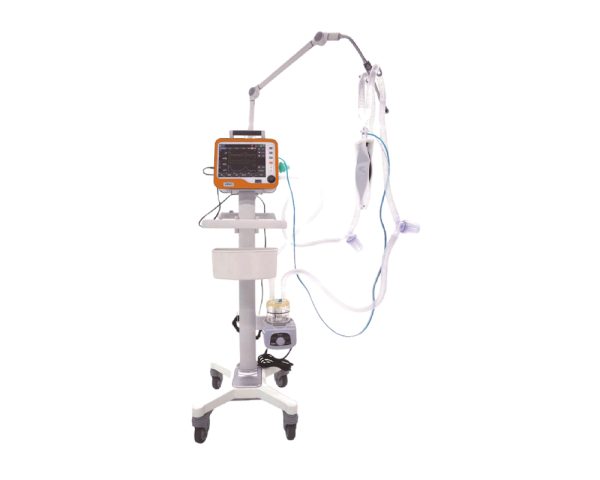
AmbuVent E8 is an ideal system for critical care and transport (ICU, intra-hospital, air, ground). Its advantages are: operational simplicity, a built-in air supply,overall versatility, and an affordable cost.
A new benchmark in high-temperature sterilization: Developed to meet the rigorous demands of modern healthcare facilities, CSSDs, pharmaceutical enterprises, and animal research laboratories.
Engineered to the highest standards: Designed in strict accordance with the latest industry and regulatory requirements, ensuring compliance and reliability.
Beyond equipment—a long-term partner in infection control: Every unit delivers precision, operational reliability, and peace of mind where it matters most.
Uncompromising safety and performance: Advanced sterilization technology combined with robust engineering to safeguard patients, staff, and instruments.
Uncompromising Door Safety
Manual quick‑open door with pneumatic sealing ensures ease of use without compromising integrity. A high‑temperature silicone rubber gasket provides a durable, airtight seal, while a safety interlock and dual‑door protection system prevent operation under unsafe conditions—safeguarding both personnel and instruments.
Advanced Ring‑Stiffened Structure
Internally reinforced to replace traditional welded‑jacket designs, this structure delivers superior strength and stability. Multi‑point steam intake and staged heating create a uniform temperature gradient, reduce steam consumption, and lower overall unit weight—achieving structural integrity with greater efficiency.
Robust Pressure Vessel
A heavy‑duty load‑bearing frame supports decades of reliable service. Optional design life ratings (8, 10, or 15 years) allow institutions to match the equipment’s service life to their long‑term asset strategy.
Precision Manufacturing Process
Key components—including front panels, doors, and retainers—are CNC‑machined for absolute consistency. The chamber cylinder is automatically plasma‑welded to ensure flawless seam quality, with strict welding protocols and stress‑relief treatments guaranteeing long‑term reliability.
Energy Efficiency with Noise Reduction
A water‑saving and noise‑dampening system lowers utility consumption and operational noise. Insulated doors and piping minimize heat loss, supporting sustainable, cost‑effective operation.
Service‑Friendly Modular Design
Fully modular architecture enables straightforward component access and maintenance. Single‑side serviceability reduces downtime and simplifies servicing, even in space‑constrained installations.
Intelligent Control System
Built with internationally renowned components to ensure trouble‑free operation. An independent recording controller monitors sterilization parameters in real time, adding a redundant safety layer. Multiple preset programs cover diverse sterilization needs, while an intuitive display with three‑level user access management ensures secure operation. Intelligent fault alarms and system prompts guide users through both routine and exceptional scenarios, and a high‑speed network interface enables seamless integration with information traceability systems.
Operational Safety, Assured
Interlocked doors and a robust pressure vessel minimize risk, protecting clinical staff, patients, and sterile instruments throughout every cycle.
Long‑Term Reliability
Ring‑stiffened construction and precision manufacturing extend equipment lifespan and reduce unplanned downtime, supporting continuous CSSD operations.
Higher Throughput, Lower Consumption
Uniform steam distribution, reduced steam usage, and intelligent program management shorten cycle times while conserving resources—directly improving department efficiency.
Reduced Total Cost of Ownership
Energy‑efficient operation, integrated water conservation, and simplified maintenance lower both utility bills and long‑term servicing expenses.
Seamless Workflow Integration
The modular design allows rapid servicing without rear access, while the intelligent control system connects effortlessly to hospital information systems for full traceability and regulatory compliance.
| Model | Chamber Dimensions (WxHxD) mm / Volume (m3) |
External Dimensions (WXHxD)mm |
Net Weight (kg) | Power Supply | Motor Power(kVA) | Steam Source |
| QuickOpenMZQ-S-0.4 | 610x730x1090/0.4 | 1350x1900x1390 | 1170 | 380V | 43.5 | Built-in evaporator / generator |
| QuickOpenMZQ-S-0.6 | 610x730x1480/0.6 | 1350x1900x1780 | 1290 | 380V | 49.5 | Built-in evaporator / generator |
| QuickOpenMZQ-S-0.8 | 610x730x1930/0.8 | 1350x1900x2230 | 1420 | 380V | 50.2 | Built-in evaporator / generator |
| QuickOpenMZQ-S-0.4 | 610x730x1090/0.4 | 1350x1900x1390 | 1170 | 380V | 43.5 | Built-in evaporator / generator |
| QuickOpenMZQ-S-0.6 | 610x730x1480/0.6 | 1350x1900x1780 | 1290 | 380V | 49.5 | Built-in evaporator / generator |
| QuickOpenMZQ-S-0.8 | 610x730x1930/0.8 | 1350x1900x2230 | 1420 | 380V | 50.2 | Built-in evaporator / generator |
| QuickOpenMZQ-S-0.4 | 610x730x1090/0.4 | 1350x1900x1390 | 1170 | 380V | 43.5 | Built-in evaporator / generator |
| QuickOpenMZQ-S-0.6 | 610x730x1480/0.6 | 1350x1900x1780 | 1290 | 380V | 49.5 | Built-in evaporator / generator |
| QuickOpenMZQ-S-0.8 | 610x730x1930/0.8 | 1350x1900x2230 | 1420 | 380V | 50.2 | Built-in evaporator / generator |
Notes:
A structured maintenance approach ensures long-term reliability, consistent sterilization performance, and compliance with regulatory standards. The following technical domains should be addressed systematically:
1. Water System
Water Supply Quality: Use purified water meeting conductivity and microbial limits as specified in the installation guide to prevent scaling and chamber contamination.
Inlet Pressure Regulation: Maintain water supply pressure between 0.15–0.3 MPa; install a pressure regulator if fluctuations exceed this range.
Built-in Steam Generator: Periodically inspect the generator for scale accumulation; descale according to the prescribed schedule to preserve heating efficiency and steam quality.
Water Strainers: Clean inlet strainers quarterly to ensure adequate flow and protect downstream components.
2. Electrical System
Power Supply Verification: Confirm stable 380V AC supply with correct phase sequence and grounding; verify motor power ratings (43.5–63 kVA per model).
Control Cabinet Inspection: Annually examine terminals, contactors, and solid-state relays for signs of overheating or oxidation; tighten connections as required.
Independent Recording Controller: Perform quarterly validation of real-time parameter logging against reference sensors to maintain redundant safety layer integrity.
Emergency Stop and Interlocks: Test safety interlock circuits monthly to confirm immediate system response under fault conditions.
3. Mechanical Structure and Pressure Vessel
Chamber Integrity: Inspect the plasma-welded chamber seams annually for signs of fatigue or corrosion; conduct a qualified pressure test per local regulatory requirements.
Door Mechanism: Lubricate the manual quick-open linkage and verify pneumatic sealing operation every six months; check the high-temperature silicone rubber gasket for elasticity and signs of wear.
Ring-Stiffened Structure: Visually inspect reinforced rings during routine servicing for deformation or stress cracks, particularly in units operating at high cycle frequencies.
Steam and Air Supply: Verify compressed air supply pressure (0.4–0.6 MPa) and confirm that filters and dryers are functioning to prevent moisture ingress into pneumatic actuators.
4. Consumables and Wear Parts
Door Gasket: Replace the silicone rubber gasket every 2–3 years or immediately if cracks, compression set, or leakage are detected.
Filters: Replace steam line filters and air intake filters annually, or more frequently in environments with elevated particulate levels.
Seals and O‑Rings: Inspect all chamber penetrations and piping connections for leaks; replace degraded seals during scheduled downtime.
Lubricants: Use manufacturer-specified high-temperature lubricants for moving parts to avoid degradation and potential contamination.
5. Daily and Routine Maintenance
Pre‑Operational Checks: Before first cycle, verify door seal integrity, water levels in the generator (if applicable), and unobstructed drain lines.
Cycle Documentation: Review independent recording controller printouts or logs to confirm that sterilization parameters met setpoints; archive records in accordance with facility protocol.
Chamber Cleaning: After each operating day, wipe internal surfaces with a non‑abrasive, validated cleaning agent to remove residues and prevent biofilm formation.
Calibration: Annually calibrate pressure sensors, temperature probes, and the independent recording controller using certified reference standards; retain calibration certificates for audit readiness.
| Name | Size | Download |
|---|---|---|
| Joyhann Steam Cssd Service Manual | 200Kb | Download |
| Joyhann Steam Cssd Service Manual | 200Kb | Download |
| Joyhann Steam Cssd Service Manual | 200Kb | Download |
| Joyhann Steam Cssd Service Manual | 200Kb | Download |
Subscribe to precision-fueled care and holistic safety intelligence from our Medical Gas Ecosystem. Elevate patient outcomes across every clinical zone with integrated, life-support clarity.
© Nortek HealthCare Group Ltd., 2009-2026. All rights reserved.
This site operates under the laws of the People's Republic of China. Your access and use constitute acceptance of these Terms of Use and our Privacy Policy. All content is governed by our Privacy Notice. For details or inquiries, please Contact Us or use the site's search function.